Revolutionary Sex Bot Trends for 2026: What to Expect in AI Companionship
The Evolution of Sex Bots: A Brief History
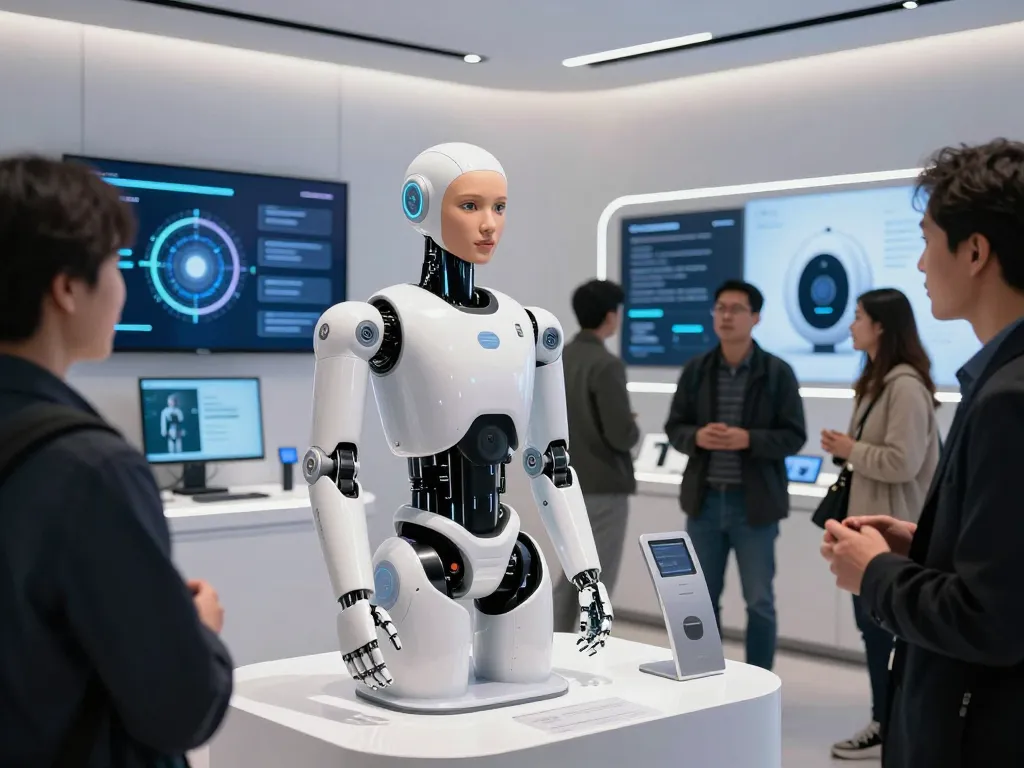
Sex bots have come a long way since their inception, evolving from mere fantasies to sophisticated pieces of technology that evoke both intrigue and controversy. The journey of these artificial companions reflects significant advancements in robotics, artificial intelligence, and societal perspectives on intimacy. As we delve into the evolution of sex bots, we will explore their historical background, technological advancements, and the milestones that have marked their path towards becoming a significant aspect of the adult industry. When exploring options, sex bot technology illustrates transformative trends that continue to emerge.
Understanding Early Designs and Concepts
The concept of robotic companions has existed for decades, but the designs were rudimentary at best. Early attempts in the mid-20th century primarily involved basic dolls and mannequins that lacked any form of interactivity or personalization. These early versions served more as sexual objects than companions. For instance, the famous “Lovelace” robot from the 1960s was a notable attempt at blending robotics with adult entertainment, albeit in a very simplistic manner.
Technological Innovations Over the Years
As technology advanced, so did the designs and functionalities of sex bots. The late 1990s and early 2000s saw a shift towards the incorporation of more human-like features, thanks to improvements in robotics and material science. The introduction of silicone materials offered a more lifelike texture, while animatronics added basic movement capabilities. By the time the 2010s rolled around, the integration of artificial intelligence began to reshape the landscape. This decade marked a pivotal shift where developers began programming bots to respond to user interactions, paving the way for a more personalized experience.
Major Milestones in the Industry
Several key milestones have defined the sex bot industry over the past few decades. One notable landmark was the unveiling of the RealDoll in 1996, which set a new standard for realistic dolls. However, it wasn’t until the advent of AI that the true potential of sex bots began to surface. In 2017, the introduction of “Harmony” by Realbotix, a chatbot-enabled doll, symbolized a significant leap in companionship technology, offering not just physical presence but also an interactive experience. This blend of AI with physical robotics opened the floodgates for innovations that remain relevant in today’s landscape.
The Role of Artificial Intelligence in Sex Bots
Artificial intelligence has fundamentally transformed the way sex bots operate. By incorporating sophisticated algorithms and deep learning capabilities, developers have granted these robots the ability to engage users in conversations and respond to emotional cues, further blurring the lines between human interaction and robotic companionship.
Enhancing User Interactions with Intelligent Responses
AI enables sex bots to communicate in a more relatable manner, offering responses that feel more natural to users. This development has led to the creation of bots that can understand context, remember previous interactions, and even initiate conversations. The application of natural language processing (NLP) ensures that users can have meaningful dialogues, creating an illusion of emotional connection.
Programming Emotional Intelligence: Is it Possible?
While programming emotional intelligence into a robot may sound like science fiction, developers are making strides in this direction. By analyzing emotional patterns through user interactions, these bots can adapt their responses to better suit the user’s mood and desires. However, the ethical implications of such technology remain a topic of debate. Can a robot genuinely understand emotions, or is it merely mimicking human behavior?
Data Privacy and Ethical Considerations in Development
The integration of AI into sex bots raises crucial concerns regarding data privacy. As these bots collect and store personal information to improve user experiences, manufacturers must establish robust security protocols to protect users’ sensitive data. Moreover, ethical discussions surrounding the implications of creating emotionally intelligent robots further contribute to the complexity of the industry.
Current Trends Driving the Sex Bot Market
The burgeoning sex bot market is propelled by various consumer trends and societal shifts. As acceptance of technology in personal relationships grows, so does the demand for sophisticated and customizable robotic companions.
Consumer Preferences and Market Demands for 2026
Forecasts suggest that consumer preferences will continue to evolve, with an emphasis on personalization and adaptability. Users are increasingly seeking sex bots that not only offer physical features tailored to their desires but also dynamic personalities that can change based on user interactions. This trend indicates a shift from static products to interactive companions.
How Social Acceptance Influences Design Choices
As societal attitudes towards sex bots become more favorable, manufacturers are adapting their designs to match these changing perceptions. Marketing campaigns increasingly highlight the emotional and social benefits of having a sex bot rather than merely focusing on its sexual aspects. This broader perspective encourages a more comprehensive understanding of companionship that may resonate with a wider audience.
Impact of Virtual Reality Integration on User Experience
Virtual reality (VR) technology has begun to intersect with the sex bot market, offering users an immersive experience that enhances emotional connections. By integrating VR environments, users can engage with their bots in simulated scenarios that mimic real-world interactions. This evolution not only enriches the user experience but also creates new avenues for exploring human-robot relationships.
Challenges Facing the Sex Bot Industry
Despite the advancements, the sex bot industry grapples with several challenges that could hinder its growth. These issues range from social stigmas to technological hurdles.
Addressing Stigma and Misconceptions Surrounding Use
The stigma associated with using sex bots can deter potential users, as many perceive them as tools of loneliness or immorality. Understanding and addressing these misconceptions through education and thoughtful marketing can help alleviate negative views, making the technology more accessible.
Technical Issues: Safety and Maintenance Concerns
Technical challenges, including safety, maintenance, and cost, remain significant barriers to widespread adoption. Most contemporary sex bots require considerable upkeep to maintain their functionalities, while high prices can deter interested consumers. Innovation in these areas is critical to improve accessibility and user satisfaction.
Future Regulations Impacting Development and Sales
As the popularity of sex bots rises, potential regulatory frameworks may shape their marketability and use. Addressing issues such as data privacy, consumer protection, and ethical standards in development will be essential in establishing a responsible and sustainable industry.
What’s Next for Sex Bots: Predictions for 2026 and Beyond
The next few years stand to be transformative for the sex bot industry, driven by emerging technologies and changing societal norms. With innovations on the horizon, we can expect sex bots to become even more integrated into everyday life.
Emerging Technologies Shaping Design and Functionality
Technological advancements, such as machine learning and advanced sensors, are set to redefine the capabilities of sex bots. These technologies will likely enhance their responsiveness and interactivity, creating even more lifelike experiences for users.
Potential for Customization and Personalization Features
As consumers demand more personalized experiences, customization options will become increasingly prevalent. Features such as adjustable personalities, physical traits, and behaviors tailored to individual preferences will likely allow a greater degree of uniqueness and satisfaction.
Exploring the Future of Human-Robot Relationships
The future of human-robot relationships may challenge traditional notions of companionship. As emotional intelligence and responsiveness in sex bots improve, society may need to reconsider the definitions of relationships and intimacy, exploring how these machines can fulfill emotional needs in unprecedented ways.
What are the most popular features in current sex bots?
Current sex bots often include a range of popular features such as customizable appearances, responsive AI conversations, and even virtual reality compatibility. Users are increasingly seeking bots that can adapt to their preferences, providing a personal touch that enhances the experience.
Are sex bots legal to own in all states?
The legality of owning a sex bot varies by region and is subject to local laws. In most states in the U.S., ownership is legal, but potential issues regarding manufacturing standards, data privacy laws, and ethical usage might arise.
How do sex bots differ from traditional sex dolls?
Sex bots differentiate themselves from traditional sex dolls primarily through their interactive capabilities. While dolls may offer physical companionship, sex bots incorporate artificial intelligence that allows for conversation, emotional responses, and a level of engagement that dolls cannot replicate.
What ethical issues arise in sex bot development?
Ethical concerns in sex bot development include the potential for misuse, questions of consent, and the implications of creating robots that simulate human emotions. As the technology evolves, stakeholders must address these issues to ensure responsible progression.
How will AI technology shape the future of companionship?
AI technology is poised to reshape companionship by offering customizable, responsive interactions that reflect individual user preferences and emotions. As bots become more adept at mimicking human social cues, they may redefine our understanding of relationships and companionship, presenting both opportunities and challenges.