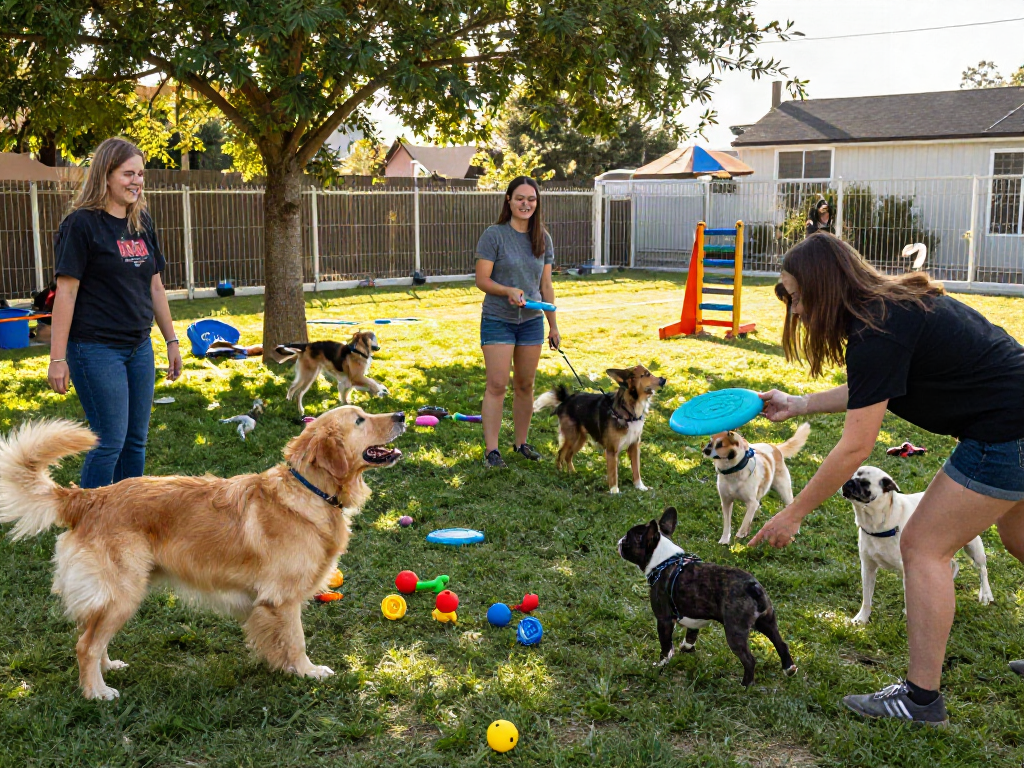
Understanding the depo 10k Concept in Dog Daycare
The concept of depo 10k in dog daycare facilities represents a significant milestone in the dog care landscape. With the increasing number of pet owners seeking reliable and high-quality care for their dogs, understanding this concept becomes imperative. Essentially, depo 10k refers to a strategic framework that emphasizes the necessity of quality, safety, and tailored approaches to dog care, culminating in a service level that ensures both dogs and their owners feel confident and supported.
As you explore your options, depo 10k provides comprehensive insights into what to expect from a dog daycare service, allowing you to make informed decisions. In a world where many households have both partners working full-time, the demand for dog daycare services has surged, leading to an emphasis on creating environments that cater to the dogs' physical and emotional needs.
What Does depo 10k Mean for Dog Owners?
For dog owners, depo 10k signifies a commitment to high standards in dog daycare operations. This includes ensuring that facilities are properly staffed with trained professionals who understand canine behavior and are equipped to handle various breeds and personalities. Additionally, it reflects transparency in operations, allowing dog owners to make informed choices.
By focusing on this elevated standard, owners can rest assured knowing their pets are not only safe but are also enjoying their time while socializing with other dogs, which is crucial for their mental well-being. The benefits of this concept extend beyond just short-term satisfaction; it fosters long-term partnerships between pet owners and daycare facilities.
Importance of Quality Care in a Busy World
In today’s fast-paced life, many dog owners struggle to find time for their pets while balancing work and personal responsibilities. This is where the importance of quality care becomes prominent. Quality daycare services not only provide a safe haven for dogs but also facilitate their emotional and social development. Quality care means having well-trained staff, safe facilities, and routines that cater to the needs of dogs, including plenty of playtime, rest, and socialization.
Understanding Behavioral Needs of Dogs
Understanding the behavioral needs of dogs is a cornerstone of effective daycare services. Dogs are inherently social animals, and their behavioral health is heavily influenced by their environment and interactions. At a daycare that embraces the depo 10k principles, staff are trained to recognize signs of stress, happiness, and discomfort in dogs, allowing them to tailor interactions to suit each dog's unique temperament.
Moreover, by providing structured playtime and supervised interactions, dogs learn vital social skills and can express their natural behaviors in a safe, controlled environment. This approach leads to happier and more well-adjusted pets, reducing instances of behavioral issues later on.
Common Challenges at Dog Daycare Facilities
Despite the many benefits, dog daycare facilities face a range of challenges that owners should be aware of. Understanding these challenges helps ensure that you choose a facility that prioritizes the well-being of your furry friend.
Misconceptions About Socialization and Safety
One of the most common misconceptions about dog daycare is that all facilities provide equal levels of socialization and safety. Not all daycare environments are created equal; some may lack the necessary staff training or space to adequately supervise interactions. This can lead to incidents that compromise the safety and well-being of dogs. It’s crucial for owners to conduct thorough research on facilities, focusing on staff qualifications and safety protocols.
Addressing Health Concerns in Group Settings
Health concerns in group settings are another critical issue for daycare facilities. Dogs can be susceptible to various infectious diseases and parasites, which can spread quickly in communal environments. Responsible daycare providers implement strict health protocols, such as requiring vaccinations and conducting health screenings before dogs can participate in group play. Ensuring that your chosen facility maintains these health standards is essential for protecting your pet.
Managing Different Breeds and Temperaments
Every dog is unique, and managing a diverse group of breeds and temperaments can be a challenge for daycare staff. Some breeds may have higher energy levels or specific behavioral traits that require special handling. A well-designed daycare will have strategies in place to group dogs according to their size, temperament, and play style, ensuring that all dogs can enjoy their time safely and positively.
Best Practices for Choosing the Right Daycare
When selecting a daycare for your dog, understanding best practices in evaluating facilities is crucial. The following factors can help guide your decision-making process.
Evaluating Facilities: What to Look For
Look for facilities that are clean, well-maintained, and equipped with safe play areas. Visiting the daycare in person allows you to observe the environment and the staff’s interactions with dogs. Pay attention to how they manage playtime and whether they are attentive to the needs of individual dogs.
Additionally, inquire about the number of dogs per staff member to ensure adequate supervision and care are provided.
Understanding Staff Qualifications and Training
High-quality daycare facilities employ qualified staff who understand canine behavior and safety protocols. Ask about the training programs staff members undergo and whether they are certified in animal first aid and CPR. This knowledge not only enhances the safety of the dogs but also fosters a nurturing environment.
Importance of Transparency in Operations
Transparency is key in dog daycare operations. A reputable facility will openly share their policies, procedures, and health protocols with potential clients. They should also provide clear guidelines on how they handle emergencies and implement a structured daily routine.
Don’t hesitate to ask questions—it’s your pet’s well-being at stake.
Real-world Applications: Success Stories
To illustrate the positive impact of quality dog daycare, let’s look at some success stories from happy dog owners who have experienced the benefits of enrolling their pets in daycare facilities that follow the depo 10k principles.
Case Studies on Happy Dog Owners
Many dog owners report significant improvements in their pets’ behavior after joining a quality daycare. For instance, a Goldendoodle named Charlie, previously anxious and prone to destructive behavior, thrived in a daycare environment where he received proper socialization and attention. His owners noticed that he became more relaxed and easier to manage at home.
Improving Dogs’ Behavior Through Daycare
Another common scenario involves a rescue dog struggling with social anxiety. After regular attendance at a daycare that prioritized gradual socialization, the dog learned to interact positively with others, which enhanced their overall quality of life. These transformations reflect the powerful role of effective daycare in dog training and behavioral modification.
Community Feedback and Testimonials
Community feedback also plays a vital role in identifying quality daycare facilities. Most reputable establishments will showcase testimonials from satisfied customers, highlighting their experiences and the positive changes they’ve seen in their dogs. Reading these accounts can provide valuable insights into what to expect.
Future Trends in Dog Daycare Facilities by 2026
The landscape of dog daycare is evolving rapidly. By 2026, we can anticipate a range of exciting trends that will redefine how pets are cared for in group settings.
Emerging Technologies in Pet Care Management
Technology will play a central role in enhancing the daycare experience. Facilities will utilize apps for real-time updates on pets, allowing owners to view live feeds or receive updates on their dog’s activities during the day. The integration of technology will not only improve communication but also facilitate more efficient management practices.
Innovative Approaches to Dog Health and Safety
Health and safety protocols will become increasingly advanced, with greater emphasis on individualized care. This includes personalized health plans based on a dog’s specific needs, incorporating veterinary technology and behavioral assessments to deliver tailored care.
Predictions for Dog Daycare Services in 2026 and Beyond
By 2026, we can expect a surge in specialized daycare services catering to dogs with unique needs, such as those requiring extra socialization or specific health concerns. The demand for high-quality daycare that embraces the depo 10k concepts will grow, driven by pet owners seeking the best care options for their beloved companions.
What are the benefits of depo 10k for dog owners?
The benefits of depo 10k for dog owners include enhanced safety, improved dog behavior, and peace of mind knowing their dogs are in a nurturing environment. This structure also supports clear communication with daycare staff, fostering trust.
How does dog daycare enhance socialization?
Dog daycare enhances socialization by providing a structured environment where dogs can interact with others in a supervised setting. This exposure helps build confidence and reduces anxiety, making them better companions at home.
What should I look for in a quality daycare?
When searching for a quality daycare, prioritize facilities that emphasize safety, cleanliness, experienced staff, and a structured routine tailored to meet the dogs’ needs.
How can I ensure my dog is safe at daycare?
Ensure your dog’s safety at daycare by verifying the facility’s safety protocols, staff-to-dog ratios, and health policies. Open communication with the staff is also essential for addressing any concerns.
What’s the future of dog daycare services?
The future of dog daycare services will be shaped by technology, individualized care, and a growing understanding of canine behavior, leading to environments where dogs can thrive both socially and emotionally.