How to Master Wärmepumpe im Altbau for Effective Energy Solutions in 2026
Understanding Wärmepumpen and Their Suitability for Altbau Homes
As the world increasingly grapples with the energy crisis and climate change, finding sustainable heating solutions has become paramount, especially for older residential structures, or Altbau. One effective solution is the wärmepumpe im altbau, or heat pump, which can offer a more environmentally friendly alternative to traditional heating methods. However, understanding how these systems work and their compatibility with older buildings is vital for homeowners considering a transition. Wärmepumpe im altbau provides comprehensive insights into optimizing heating solutions for classic homes.
What is a Wärmepumpe and How Does it Work?
A wärmepumpe is a device that transfers heat from one place to another, utilizing a refrigeration cycle. This technology allows heat to be extracted from the air, ground, or water, which can then be used to warm up a home or provide hot water. In simple terms, a heat pump acts like a refrigerator that can reverse its operation, heating instead of cooling. There are primarily three types of heat pumps: air-to-water, ground-source, and water-source heat pumps, each offering unique benefits depending on the installation environment.
Key Benefits of Installing Wärmepumpen in Altbau
- Energy Efficiency: Wärmepumpen are highly efficient and can reduce heating costs significantly compared to conventional heating systems, particularly in well-insulated homes.
- Environmental Impact: They produce lower CO2 emissions than fossil fuel systems, making them a more sustainable option.
- Versatility: Heat pumps can provide both heating and cooling, offering year-round climate control.
- Increased Home Value: Modernizing your heating system with a heat pump can enhance your property’s value and appeal.
Common Misconceptions About Wärmepumpen in Older Buildings
Many homeowners have misconceptions regarding the effectiveness of wärmepumpe im altbau. One prevalent myth is that heat pumps are ineffective in older buildings due to their typically higher heating demands. While it is true that older homes often have higher heat loss rates, advancements in technology allow for high-temperature heat pumps to be utilized effectively. Additionally, proper insulation and retrofitting can further enhance their performance in these environments.
Assessing Your Altbau for Wärmepumpe Installation
Evaluating the Structural Integrity of Your Home
Before considering the installation of a heat pump, a thorough evaluation of your Altbau is essential. Factors such as structural integrity, foundation condition, and existing heating infrastructure must be assessed. Engaging a qualified professional to conduct a home energy audit can identify areas needing improvement, such as insulation and window sealing, crucial for maximizing heat pump efficiency.
Understanding Heating Requirements and Load Calculations
Calculating your home’s heating load is essential to determine the appropriate size and type of Wärmepumpe. Several factors influence heating requirements, including:
- Square footage of the home
- Quality of insulation
- Number and type of windows
- Geographic location and climate
A qualified heating contractor can perform these load calculations to ensure the selected heat pump meets your home’s specific requirements.
Identify Potential Challenges in Your Current Heating System
Older heating systems often face unique challenges, such as inadequate ductwork or radiator compatibility with low-temperature systems. Assessing these challenges prior to installation is crucial to facilitate a smooth transition to a heat pump system. Homeowners should also consider additional costs that might arise from necessary upgrades or modifications to existing infrastructure.
Types of Wärmepumpen Suitable for Altbau
Air-to-Water Wärmepumpen: Efficiency and Effectiveness
Air-to-water heat pumps are one of the most common types used in residential settings. They extract heat from the outside air and transfer it to water, which is then circulated through your home’s heating system. They are particularly advantageous for homes with existing radiators as they can operate effectively in moderate climates. However, they may require larger radiators or underfloor heating systems for optimal efficiency.
Ground Source Wärmepumpen: Long-term Benefits and Considerations
Ground-source heat pumps, also known as geothermal systems, utilize the stable temperature of the ground to provide heating and cooling. While these systems are often more expensive to install due to the need for underground piping, they offer significant long-term savings and lower operational costs. They are an excellent choice for homeowners looking to invest in a long-term heating solution.
Hybrid Systems: Combining Traditional Heating with Wärmepumpen
Hybrid systems utilize both conventional heating methods and heat pumps to optimize energy usage. These systems can switch between sources based on efficiency and cost at different times throughout the year. This approach is particularly valuable for older homes that may not be fully suitable for a heat pump alone but can benefit from both methods.
Installation Process and Best Practices
Choosing the Right Contractor for Your Wärmepumpe Install
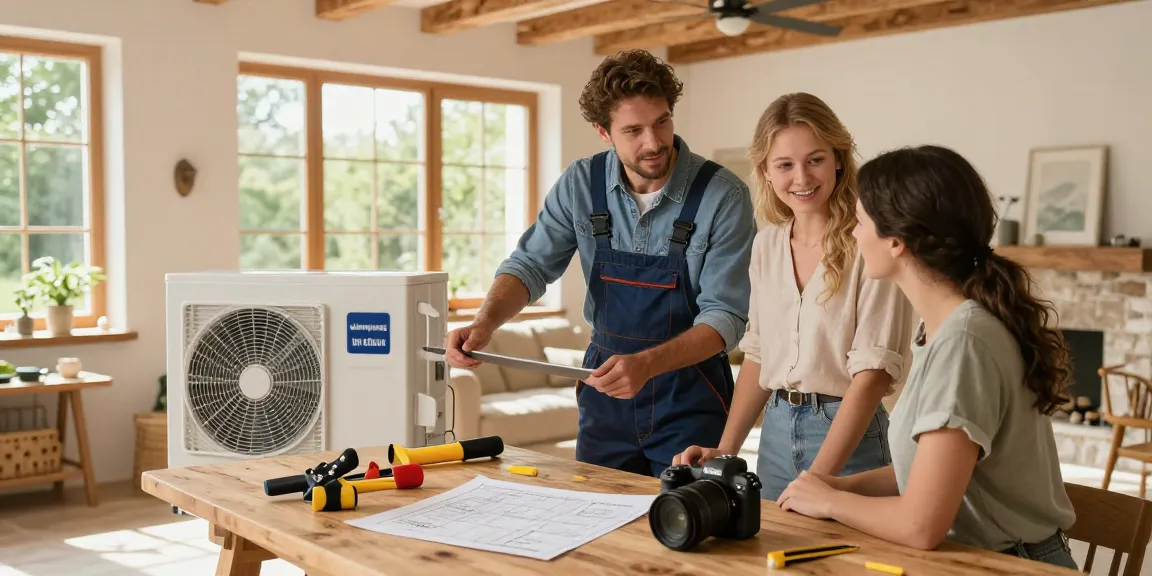
When selecting a contractor for your Wärmepumpe installation, consider their experience with retrofitting systems in Altbau homes. A skilled professional will understand the unique challenges presented by older structures and will provide tailored solutions. Always check references, obtain multiple quotes, and ensure they are certified by relevant industry standards.
Preparing Your Home for Installation: What to Expect
The installation process for a Wärmepumpe can vary depending on the type of system chosen and the current state of the home. Generally, this process will include:
- Site assessment and planning
- Removal of old heating systems, if necessary
- Installation of the heat pump unit and any required ductwork or piping
- System commissioning to ensure optimal performance
Expect your contractor to carefully explain the process and guide you on how to prepare your home prior to installation.
Post-Installation: Ensuring Optimal Performance and Maintenance
After installation, regular maintenance is crucial for ensuring the longevity and efficiency of your Wärmepumpe. Homeowners should schedule routine check-ups with their contractor to inspect systems for any potential issues, clean filters, and check refrigerant levels. Proper maintenance can prevent costly repairs and maintain optimal energy efficiency over time.
Future Trends in Wärmepumpen Technology and Regulations
Innovations in Wärmepumpen Efficiency for 2026 and Beyond
As technology continues to evolve, the efficiency of Wärmepumpen is expected to improve significantly. Innovations such as advanced refrigerants, improved compressor designs, and smart home integration will further enhance their performance. Homeowners should stay informed about these technological advancements as they can impact installation decisions and potential cost savings.
Regulatory Changes Impacting Wärmepumpen Installations
Legislation aimed at reducing carbon emissions is driving changes in the heating industry. As regulations tighten regarding heating systems, adopting technologies like Wärmepumpen will likely become a necessity rather than an option. Homeowners should be aware of upcoming regulations and consider integrating these systems as part of a proactive approach to compliance and sustainability.
How to Stay Informed on Best Practices and Updates in the Industry
Staying informed about the latest developments in Wärmepumpen technology and regulations requires vigilance. Homeowners can subscribe to industry newsletters, join local energy efficiency groups, and participate in webinars or workshops focused on sustainable heating solutions. Being proactive can ensure you are prepared to make informed decisions regarding your heating systems.
Is a Wärmepumpe in Altbau Really Worth It?
The question of whether a Wärmepumpe is worth installing in an Altbau depends on several factors including property value, current heating expenses, and environmental goals. Typically, homeowners who have completed energy audits and made necessary upgrades often find the transition to be beneficial both financially and environmentally.
What Are the Key Factors Influencing Wärmepumpe Efficiency?
Several factors can affect the efficiency of a heat pump in an older building, including insulation quality, window performance, heating load calculations, and the type of heat pump system used. It is crucial to address any energy inefficiencies in the home before installation to maximize benefits.
Can a Wärmepumpe Work with Existing Heating Systems?
Yes, many Wärmepumpen can work with existing heating infrastructure, but the performance depends on the compatibility with the current systems, such as radiators or ductwork. A thorough assessment by a heating professional will determine the feasibility of integrating a heat pump into your existing heating system.
What Are the Costs Involved in Installing a Wärmepumpe?
The cost of installing a Wärmepumpe can vary widely based on the system type, home size, and any required renovations. Homeowners should factor in the initial investment, potential subsidies or incentives, and long-term energy savings when considering overall costs. Obtaining multiple quotes and understanding the breakdown of costs can lead to a better investment.
How to Optimize Your Home for a Wärmepumpe Efficiency?
To ensure optimal efficiency from your heat pump, start with improving insulation, sealing any drafts, and considering window upgrades. Regular maintenance checks and using smart thermostats for better temperature control can also significantly enhance efficiency and reduce overall energy consumption.